
Common Questions About Tarrant County Court Records
How do I search Tarrant County court records?
Use the portal that matches the record. District civil, family, and felony criminal files go through the District Clerk and Court Document Lookup. County civil, probate, county criminal, real property, marriage, and assumed name records go through the County Clerk. Justice of the Peace and city municipal cases stay with the court that filed them. So pick the right office first, then search by name, cause number, or document type. For a full walkthrough, see the court records page.
What is the difference between the District Clerk and the County Clerk?
The two clerks hold different files. Thomas A. Wilder is the District Clerk. His office supports 28 elected courts plus 22 associate judges and handles district civil, family, and felony criminal cases. Mary Louise Nicholson is the County Clerk. Her office handles County Courts at Law, county criminal courts, probate, real property, marriage licenses, vital records, and assumed names. Match the case level to the clerk. Read more on the District Clerk and County Clerk pages.
Where do I get felony criminal records?
Start with the District Clerk. Felony criminal records tie to the district criminal courts at the Tim Curry Criminal Justice Center. The District Clerk locations page lists Tim Curry at 401 W. Belknap, 3rd Floor, Fort Worth, TX 76196, phone 817-884-1574. If your case sounds like a felony, this is the right office. For booking and arrest details, the arrest records page covers how recent arrests show up before a case is filed.
Where do I get misdemeanor records?
Misdemeanor records are county criminal court records, and the County Clerk handles them. The County Clerk locations page lists the Tim Curry Criminal Justice Center, 401 W. Belknap, 2nd Floor, Fort Worth, TX 76196, phone 817-884-1066. The level of the charge decides the clerk. Felonies go to the District Clerk, misdemeanors go to the County Clerk. The court records page breaks down which court hears each case type.
Can I view court documents online for free?
It depends on the clerk. The County Clerk public search says unofficial copies are free. The District Clerk Court Document Lookup is free only as a self-service tool onsite. Remote access from home or office costs $120 to set up plus $35 per month, and clerk-run searches and copies carry their own fees. So free onsite, paid for remote. The public records page explains the broader access rules.
How do I search for an inmate in the Tarrant County jail?
Use the county inmate search portal. The search fields are Last Name, First Name, CID, Race, Sex, and Records to Display. Results show the CID, last name, first and middle name, race, sex, and in-custody status with a link to more detail. A name search works fine for most people. For the full roster and how to read a result, see the inmate records page.
What is a CID number?
CID is the county identifier shown in the inmate search results. It is a unique number tied to one person in the jail system. If you already have a CID from a jail, an attorney, or a court source, it is the most precise way to search the inmate lookup. A name can pull several matches. A CID pulls one. The inmate records page shows where the CID appears in a result.
How do I verify someone was released from jail?
Search the inmate portal and check the In Custody field. If it is unclear, call jail information at 817-884-3116 or the Detention Bureau at 817-884-3000. Use the state prison system only for people held by the state, and the federal locator only for federal custody. County jail status comes from the county portal. For more on release checks and notifications, see the released inmates page.
What does a Tarrant County marriage license cost?
The formal marriage license fee is $76. Couples with a qualifying Twogether premarital education certificate pay $16. An informal marriage declaration is $41. A $100 out-of-state applicant fee applies if neither person proves Texas residency. Both parties must appear in person or by eligible video, show valid government ID, and know their Social Security numbers. The marriage and divorce records page lists the full steps and waiting-period rules.
Where do I get divorce records?
Divorce records are District Clerk and family court records, not County Clerk vital records. That trips a lot of people up. Start with the Family Law Center District Clerk location at 200 E. Weatherford, 3rd Floor, Fort Worth, TX 76196, phone 817-884-1265. A divorce decree is a court file, so it lives with the court that granted it. The marriage and divorce records page walks through how to find and copy a decree.
Where do I file probate, and can I deposit a will for safekeeping?
Probate filings go through the County Clerk probate office. Wills in active probate cases are filed in Room 233 at 100 W. Weatherford St., Fort Worth, TX 76196. A will deposited only for safekeeping goes to Intake Room B90. The will safekeeping fee is $5. The filing fee for a new Small Estate Affidavit is $404. See the probate records page for terms like executor and intestate.
Are juvenile records public?
Generally no. Texas Family Code Chapter 58 restricts juvenile records and sets the rules for sealing them. Access is limited to authorized people and agencies, the child or the child's attorney in certain situations, or a court order. So a parent or member of the public cannot just pull a juvenile file the way they pull an adult case. The court records page covers which files Texas law keeps confidential.
Can I search for active warrants online?
Only in a limited way. Some court-related warrant information may appear in court systems, and the District Clerk public search portal defaults to a Warrants department. But criminal warrant information is not generally released to the public. If you think you have a warrant, contact an attorney, a bondsman, the court, or law enforcement as fits your situation. The warrant records page explains what does and does not show up.
How do I keep a traffic ticket off my driving record?
Some Justice of the Peace traffic cases allow a Driver Safety Course or deferred disposition if you ask before the payment or plea deadline. JP6 materials state that eligible defendants must appear by the answer date, plead guilty or no contest, pay the administrative fee and court costs, and submit the required documents. Always confirm with the court before you pay. The traffic court records page covers the court file versus your state driver record.
How do I request public information from Tarrant County?
Use the county public-information process for nonjudicial county records. Court records work differently. They are usually requested through the clerk or the court, because Government Code Section 552.0035 treats judiciary records separately from ordinary Public Information Act requests. So a sheriff administrative record is a county request, while a case file is a clerk request. The public records page lays out how to file each type.
Can a record be sealed or expunged?
Yes, if the law allows it. Texas expunction is governed by Code of Criminal Procedure Chapter 55A and can destroy or return an eligible record. Nondisclosure is different. It seals an eligible record from public view while authorized agencies keep access. The two are not the same, and each has its own rules. For more on what gets hidden versus what gets erased, see the arrest records page.
Who is the District Attorney in Tarrant County?
Phil Sorrells is the Tarrant County Criminal District Attorney. The office is at the Tim Curry Criminal Justice Center, 401 W. Belknap, Fort Worth, TX 76196, phone 817-884-1400. The DA prosecutes criminal cases, while the courts and clerks hold the files. Victim Services is at 401 W. Belknap, phone 817-884-2740, and helps with rights, safety planning, compensation, and court support. The arrest records page links related criminal-case resources.
Which federal court covers Tarrant County?
Federal cases here go to the U.S. District Court for the Northern District of Texas, Fort Worth Division. The federal courthouse is at 501 W. 10th Street, Fort Worth, TX 76102. Federal records are not in the county clerk portals, so you use the federal system instead. To pull a federal case file, you start at the national records service for the federal courts.
The federal judiciary runs its records through PACER, the Public Access to Court Electronic Records system. You register for an account, search by court or by the national index, and pay fee-schedule charges unless a waiver or the free quarterly threshold applies.
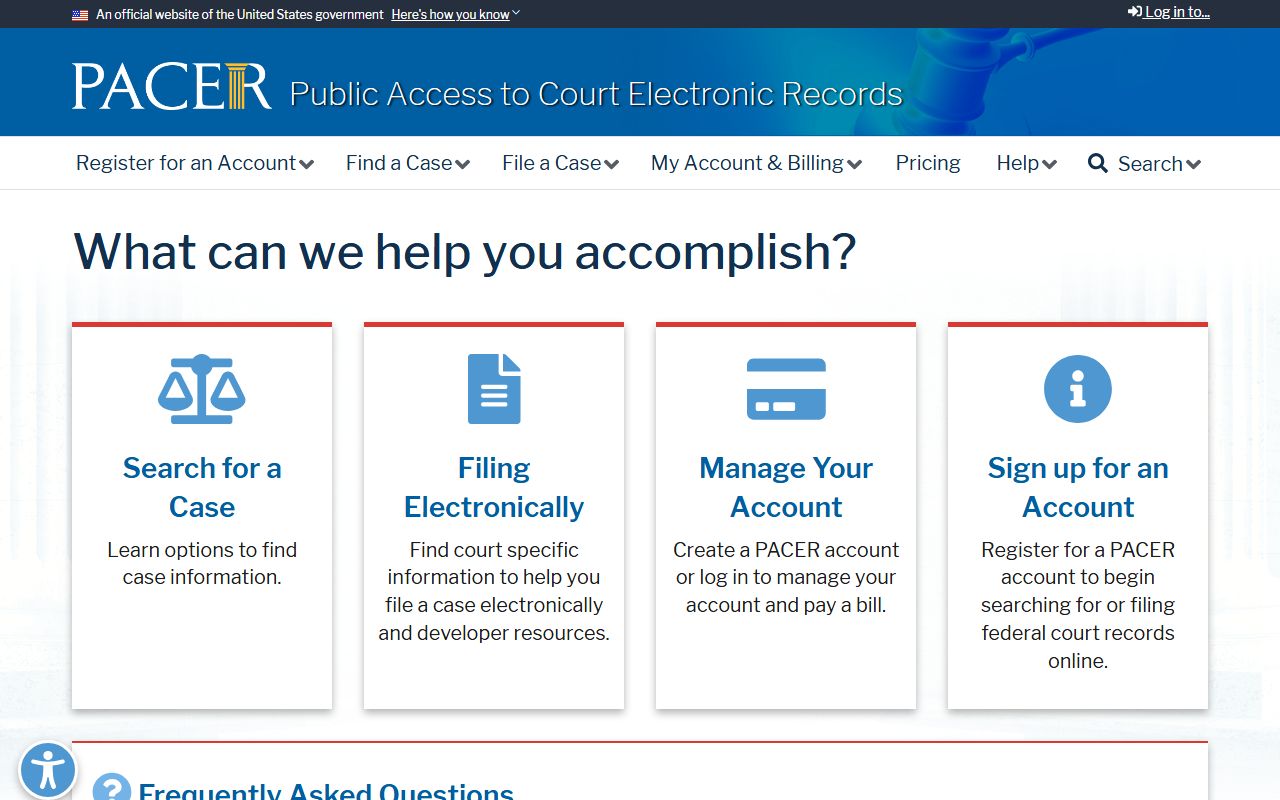
PACER is the right starting point for any federal case, since these files never appear in the county District Clerk or County Clerk systems.
The local federal trial court keeps its own site at the Northern District of Texas, which lists divisional offices, including Fort Worth, plus filing rules and the CM/ECF help desk.
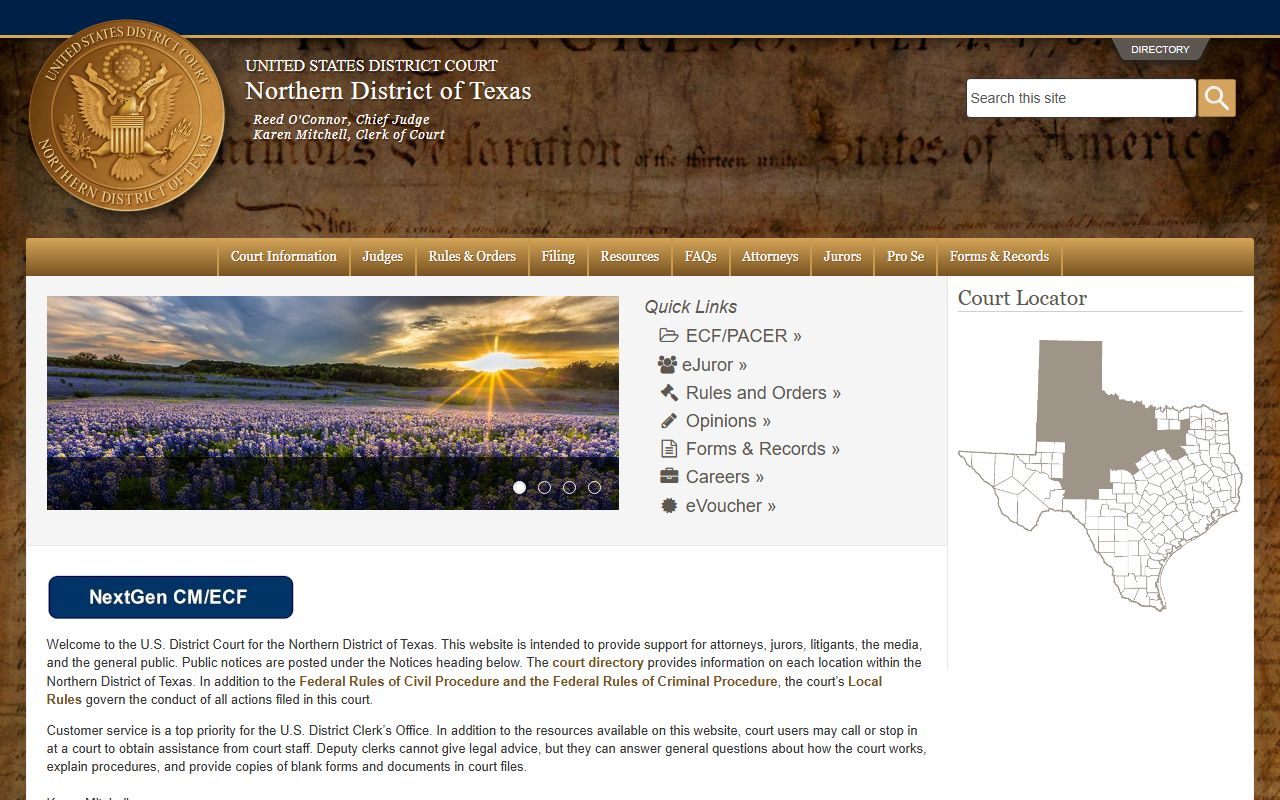
The Fort Worth Division office handles Tarrant County matters, and its page links the clerk contacts you may need to confirm a federal record.
Federal crimes in the district are prosecuted by the U.S. Attorney for the Northern District of Texas, which staffs offices in Fort Worth and several other cities.
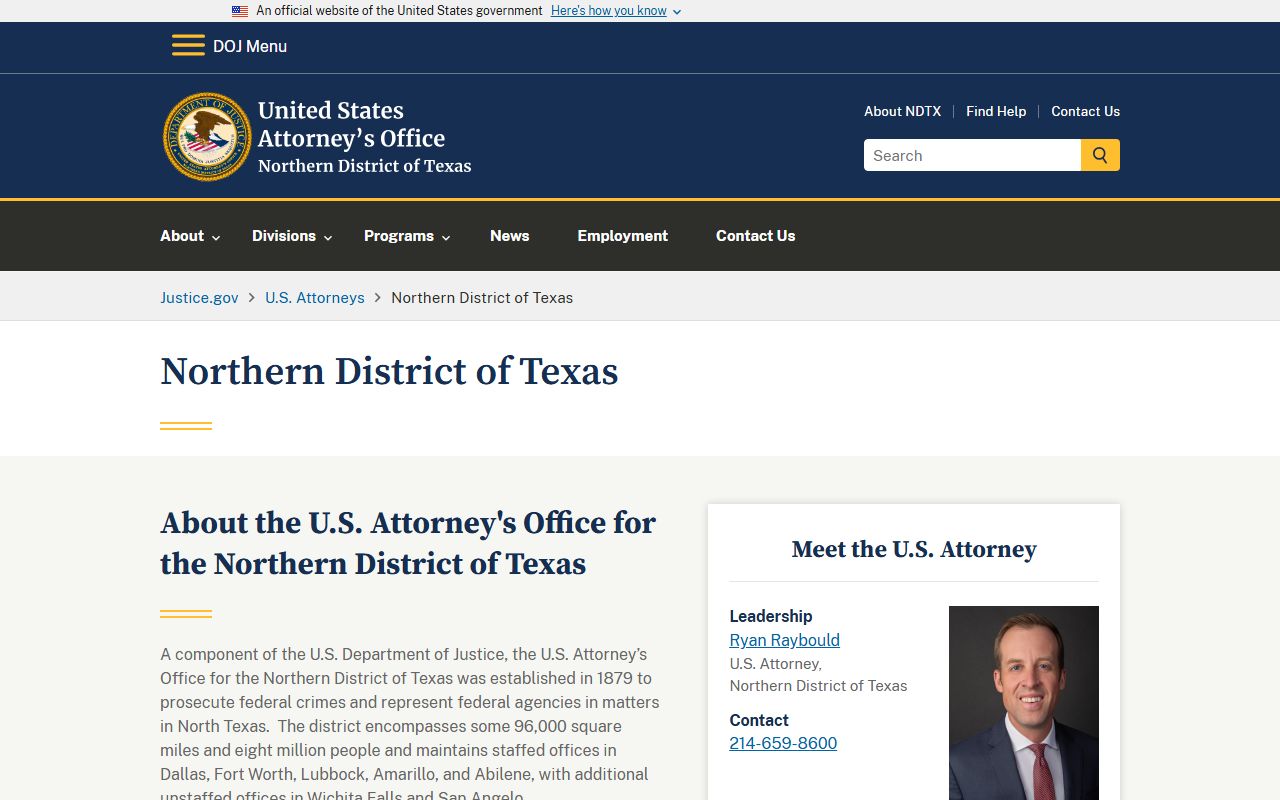
The U.S. Attorney's office is the federal counterpart to the county District Attorney and handles cases that fall under federal law.
People charged in federal court who cannot afford a lawyer may be served by the Federal Public Defender for the Northern District of Texas, which has a Fort Worth office.

This office is separate from the county court system and applies only to federal defendants in the district.
Federal bankruptcy is its own track and is searched through the U.S. Bankruptcy Court for the Northern District of Texas, with a Fort Worth office at 501 West Tenth Street, Room 147.
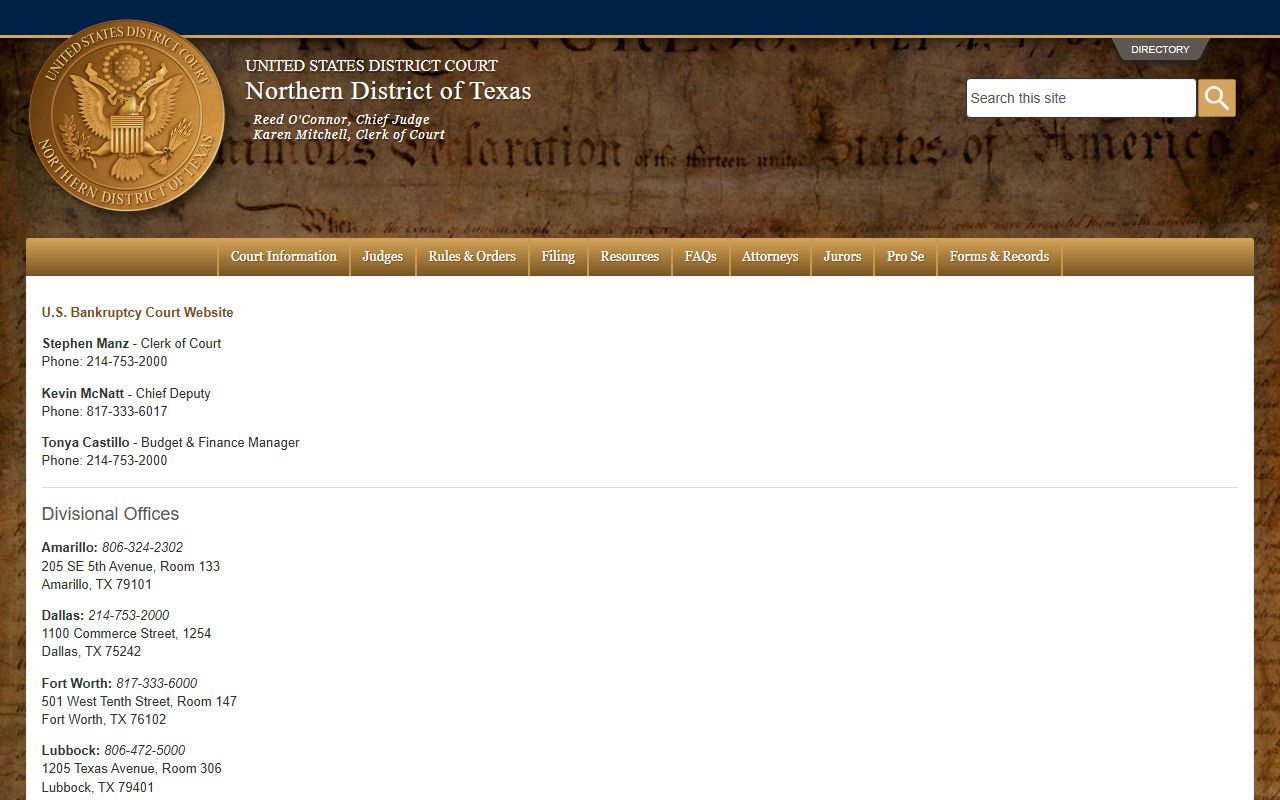
Bankruptcy files are separate from state probate or debt cases and are pulled through bankruptcy CM/ECF and PACER, not the county clerks.
A federal appeal from the Northern District of Texas goes to the U.S. Court of Appeals for the Fifth Circuit, except for a few specialized categories that go elsewhere.
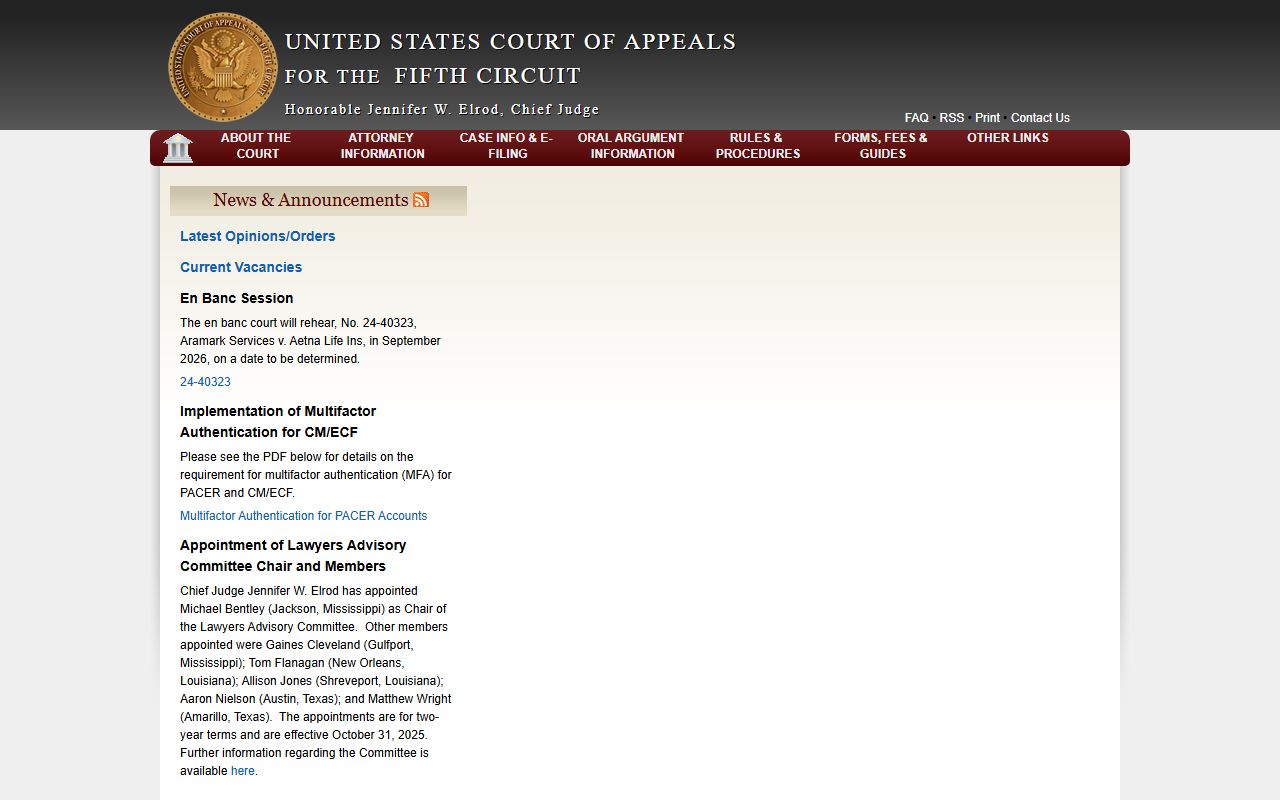
So a Tarrant County federal case can move from the Fort Worth Division up to the Fifth Circuit, and each level keeps its records in the federal system rather than a county portal.
Still Have Questions?
For the right office, see the District Clerk or the County Clerk. For broader access rules, see public records. For records by topic on this page, browse court records, court dockets, arrest records, inmate records, released inmates, warrant records, traffic court records, marriage and divorce, probate records, or the District Court overview.